
PUBLIC SECTOR CORRUPTION IN NIGERIA BOOK REVIEW BY: UMAR YAKUBU

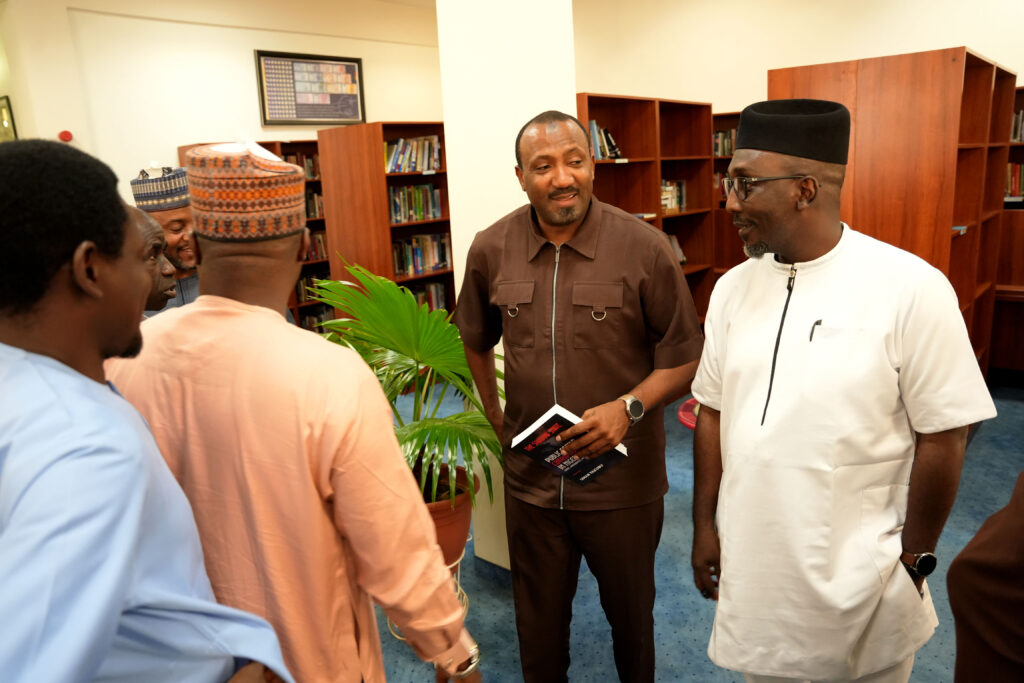
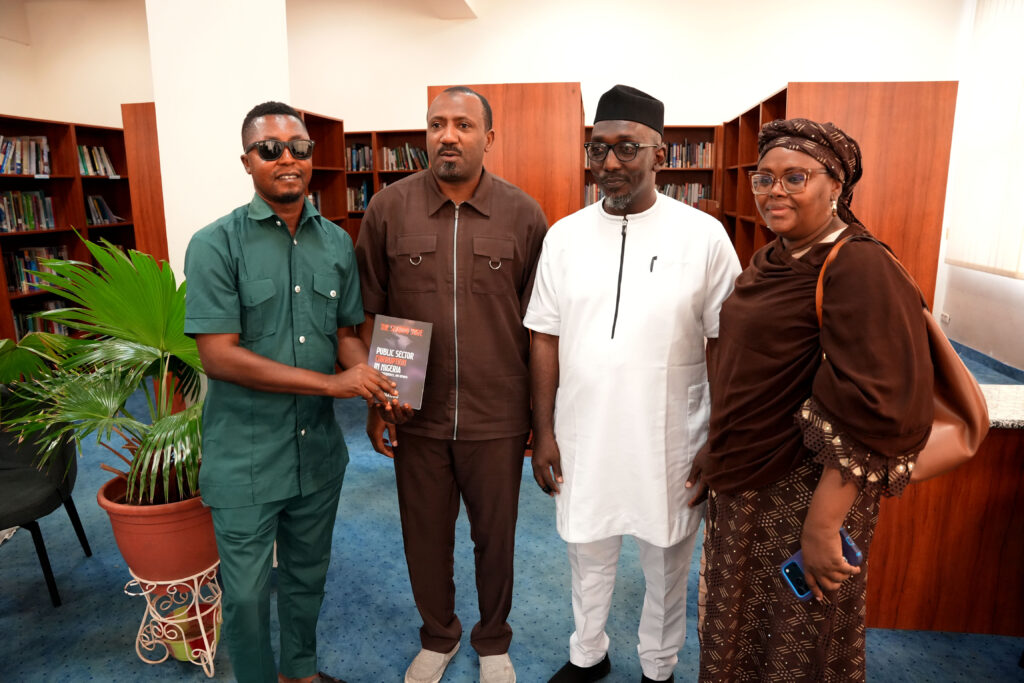
The prestigious Musa Yar’Adua Center came alive with robust intellectual discourse and engaging conversations as distinguished guests from different walks of life gathered for the review and presentation of the book “Public Sector Corruption in Nigeria: Causes, Consequences, and Reforms” authored by Umar Yakubu.
The event, centered on national consciousness and societal transformation, created a platform for meaningful dialogue on corruption, governance, and the urgent need to reshape the mindset of Nigerians toward accountability, patriotism, and nation-building.
Participants at the gathering actively explored the challenges posed by corruption in Nigeria’s public sector, while also discussing practical reforms capable of strengthening transparency and restoring public trust in institutions. The atmosphere was vibrant and intellectually stimulating as attendees engaged in thought-provoking conversations and interactive question-and-answer sessions.

The review and presentation of “Public Sector Corruption in Nigeria: Causes, Consequences, and Reforms” by Umar Yakubu at the Musa Yar’Adua Center attracted intellectuals, public servants, students, civil society advocates, media professionals, and policy stakeholders who converged to deliberate on one of Nigeria’s most pressing national challenges — corruption in the public sector.
The event served not only as a book presentation but also as a forum for critical national reflection on governance, leadership, accountability, and the future of democratic institutions in Nigeria. Guests engaged in extensive discussions on how corruption has continued to affect economic growth, weaken public institutions, discourage foreign investment, and reduce citizens’ confidence in government.
In his presentation, Umar Yakubu explained that the book examines the root causes of corruption in Nigeria’s public service system, including weak institutions, abuse of power, lack of transparency, poor enforcement of laws, political patronage, and societal tolerance for unethical practices. According to him, the publication also explores the social and economic consequences of corruption, particularly its effects on infrastructure development, healthcare delivery, education, security, and poverty alleviation.
The author emphasized that corruption is not only a political problem but also a societal issue that requires collective action from both leaders and ordinary citizens. He argued that Nigerians must begin to embrace a culture of accountability, honesty, and civic responsibility if meaningful national transformation is to be achieved.
During the interactive session, participants raised questions bordering on institutional reforms, the effectiveness of anti-corruption agencies, judicial independence, political accountability, and the role of the media in promoting transparency. The conversations reflected growing public concern about the need for stronger governance structures and more ethical leadership across all levels of government.
Some attendees also highlighted the importance of youth participation in governance and nation-building, stressing that younger generations must be empowered with the right values and orientation to challenge corruption and promote positive change within society.
Observers at the event noted that the discussion extended beyond criticism of corruption to practical recommendations for reform. Among the suggestions highlighted were:
- strengthening anti-corruption institutions,
- promoting transparency in public procurement,
- improving public sector accountability,
- encouraging whistleblower protection,
- reforming the judicial system,
- and enhancing civic education and ethical reorientation.
The gathering further underscored the role of literature and public dialogue in shaping national consciousness. Speakers at the event described books and intellectual conversations as important tools for inspiring policy reforms, encouraging informed citizenship, and fostering democratic development.
The atmosphere throughout the event remained lively and reflective, with guests exchanging ideas, networking, and expressing optimism that sustained public conversations on governance and integrity can contribute to long-term national progress.
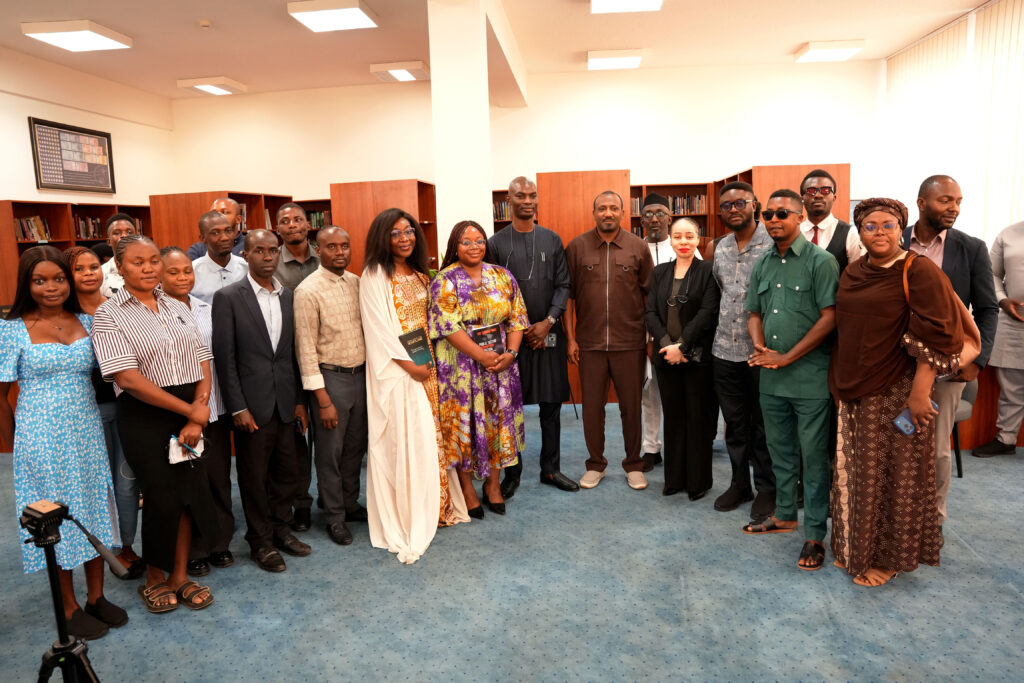
The presentation concluded with goodwill messages, appreciation from participants, photo sessions, and renewed calls for continued engagement among citizens, institutions, and policymakers in the collective effort to combat corruption and build a more accountable and prosperous Nigeria.