Kenneth Okonkwo: Peter Obi Is Afraid Of Free And Fair Primary Election
ADC chieftain Kenneth Okonkwo says Peter Obi left opposition coalition to avoid competitive primaries ahead of the 2027 elections.
Fresh cracks are widening within Nigeria’s opposition coalition ahead of the 2027 general elections, as internal disagreements over leadership selection and party processes come into sharper focus.
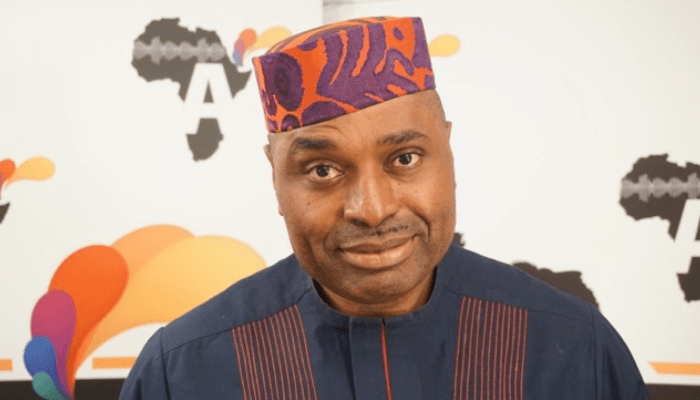
A chieftain of the African Democratic Congress (ADC), Kenneth Okonkwo, has accused former Labour Party presidential candidate Peter Obi of stepping away from the coalition to avoid participating in a competitive primary election.
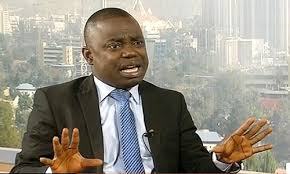
Speaking during an interview on ARISE News, Okonkwo rejected Obi’s claim that his decision was due to ongoing legal and political disputes within the ADC. He argued instead that the move was driven by a reluctance to face a transparent contest against other aspirants.
According to Okonkwo, Obi has consistently avoided open primaries throughout his political career, preferring consensus arrangements and negotiations to secure party tickets. He claimed that this pattern reflects a broader concern about entering competitive internal elections.
Okonkwo further cited Obi’s political history with the All Progressives Grand Alliance (APGA), alleging that Obi did not originally win the party’s governorship primary but later emerged as the candidate following intervention by party leaders. He used this example to support his argument that Obi has relied on internal party arrangements rather than direct electoral contests.
The accusations come at a critical time when opposition parties are attempting to build a united front capable of challenging the ruling party in 2027. However, disagreements over how candidates should emerge—whether through consensus or open primaries—are increasingly creating tension among key stakeholders.
Political observers warn that such public disputes could weaken trust within the coalition and reduce its chances of presenting a formidable challenge in the next election cycle. They note that unity, transparency, and clear rules for candidate selection will be crucial if the opposition hopes to gain public confidence.
As of now, neither Peter Obi nor his allies have publicly responded to the allegations, leaving the claims from Kenneth Okonkwo unaddressed.
The unfolding situation highlights the growing internal strains within Nigeria’s opposition bloc, raising questions about its cohesion and readiness ahead of the 2027 elections.

The rift within Nigeria’s opposition coalition continues to deepen as more details emerge over the circumstances surrounding the exit of Peter Obi and the strong criticisms from Kenneth Okonkwo.
Expanding on his claims, Okonkwo alleged that Obi had, in the past, participated in a party primary which he lost but was still handed the ticket through internal arrangements, reinforcing his argument that the former Anambra governor has historically avoided competitive contests.
He further claimed that upon joining the coalition under the African Democratic Congress (ADC), Obi sought sweeping influence over the party’s internal framework. According to Okonkwo, Obi demanded the power to nominate key officials, including the National Organising Secretary—an office he said plays a central role in coordinating party primaries and overseeing electoral processes.
Okonkwo argued that such a request would have effectively placed the structure and conduct of the party’s internal elections under Obi’s control. Despite what he described as concessions made to accommodate these demands, he maintained that Obi still opted to withdraw due to concerns about facing a genuinely open and transparent primary.
“Even with those arrangements, he was still not willing to subject himself to a free and fair contest,” Okonkwo said.
Dismissing fears that Obi’s departure could destabilise the coalition, Okonkwo insisted that the ADC remains intact and focused on its long-term political strategy. He maintained that the party’s strength lies in its commitment to internal democracy and inclusiveness, which he said would ultimately attract credible aspirants.
He also took a swipe at Obi’s political standing, claiming that his influence had waned even before aligning with the coalition. Okonkwo pointed to political setbacks in Anambra State and what he described as growing fractures within Obi’s support base as signs of declining relevance.
In a further prediction, Okonkwo said several politicians who exited the coalition alongside Obi may eventually return, arguing that their current political alignment lacks stability and long-term viability.
“What we are seeing now is only temporary; many of them will come back when reality sets in,” he stated.
Political observers say the ongoing dispute highlights broader challenges facing opposition parties in Nigeria, particularly the difficulty of balancing individual ambitions with the need for unity. Analysts note that disagreements over candidate selection—whether through consensus or open primaries—remain a major fault line that could shape the strength of any coalition ahead of 2027.
For now, the leadership of the ADC appears determined to push ahead with coalition-building efforts, with Okonkwo reiterating that Obi’s exit will not derail the party’s preparations. He stressed that credibility, transparency, and adherence to democratic principles within party structures will be key to winning public trust.
As of the time of filing this report, Peter Obi has yet to publicly respond to the latest round of allegations, leaving the claims from Kenneth Okonkwo to continue shaping the narrative around the opposition coalition’s internal crisis.